All business schools want to attract new applicants.
And the GOOD NEWS is that the demand for business schools is rising.
The Graduate Management Admission Council (GMAC) found in its recent report that the international candidate volume for MBA programmes doubled from 28% in 2019 to 57% in 2021.
But in 2022, convincing them to choose YOUR school is more difficult than ever.
Rival schools are making a play for the same pool of candidates. And a host of EdTech competitors offering shorter, tailored options have also moved into the market.
Yes, you can have an all-singing, all-dancing website. And you can have glossy brochures or targeted advertising campaigns.
But without a positive media profile, it will be HARDER to convince would-be applicants.
Media profile and customer decision-making
Let us imagine, for a moment, that you are a prospective MBA student.
You are in your mid-to-late 20s, and in a successful career. Recently, you were promoted to Head of Department.
Getting a postgraduate business qualification is the natural next step to your career trajectory. But you also have particular interests, especially sustainability, entrepreneurship and technological transformation.
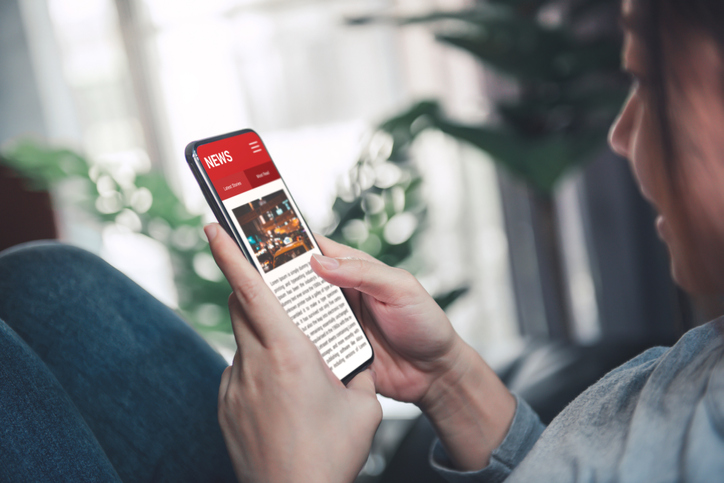
So, you start looking for information online.
First, you search for business schools online – and find professionally produced and engaging websites.
Then, you scan some rankings in the likes of the Financial Times.
Later, you decide to attend a selection of MBA events and are impressed by the quality of the programmes available.
Next, you get some recommendations from some family and friends, which draws you towards some schools in particular.
But when you start looking in the business education media, some schools are notably absent.
You search in vain for student stories. There isn’t any press coverage about the career trajectories of their alumni. And they don’t feature in a recent report on the best business schools for sustainability.
EVEN THOUGH those schools have tip-top marketing materials, they don’t have a strong media profile.
How do you feel about them now?
Confident and convinced? Or hesitant and unsure?
The power of a strong media profile
Smart business schools invest in relationships with the media because they understand the strength of third-party endorsement.
Consumers understand that advertising is paid for. They know that websites are designed to convey brand or product information. And they believe that the purpose of direct marketing is to get them to take action.
They look for TRUSTWORTHY sources of information: reviews, ratings, league tables and testimonials.
When a journalist writes positive things about your business school, it CONVEYS CREDIBILITY. And to be clear – journalists are not paid to write nice things about your school.
This is proven: Nielsen’s study found that PR is 90% more likely to influence potential customers than traditional advertising.
PR intensifies your other marketing activities
But even this is not the whole story.
By investing in your media profile, you will make it EASIER for all your other marketing campaigns to succeed.
Prospective students are more likely to visit your website if they see positive articles online.
What’s more, they will have a better understanding of your school’s specialist areas.
And you will have ready-made ASSETS to use in your other marketing activities.
Social media engagement can be enhanced by sharing and referring to stories in the press. Conversations at MBA fairs can refer back to your endorsements in the media. And you can refer to your positive media coverage on your website.
Are you selling or persuading?
Finally, remember that many people don’t want to be sold to. It is much easier to create CREDIBILITY in your market. To make your school DESIRABLE.
By practising regular, proactive media relations you can make it easier to market to prospective students.
If you want to increase applicants to your business school, click HERE for more insights.